
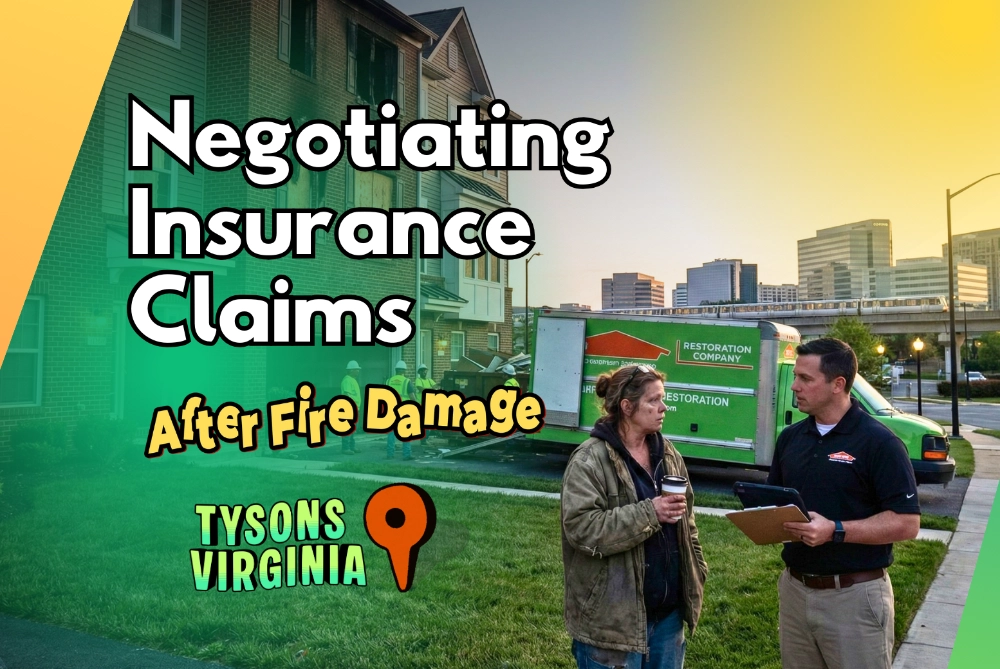

Fire damage, which can even weaken your home structure, is one of the most devastating events a homeowner can experience. In a fast-growing, high-value area like Tysons, Virginia, where homes, condos, and mixed-use properties are closely connected, a fire can disrupt not just your living space but your entire sense of security.
Beyond the immediate shock and cleanup, homeowners often face a second major challenge: insurance claims after fire damage. Negotiating with insurance companies can feel overwhelming—especially when you’re trying to recover emotionally, financially, and physically at the same time.
At Flood Expert, we’ve helped homeowners across Tysons, Lorton, Fairfax, and Washington D.C. navigate fire damage restoration and insurance claims for years. From partial kitchen fires to large-scale structural damage, we understand how the insurance process works—and where homeowners often lose out without proper guidance.
This guide breaks down how fire insurance claims work, common mistakes to avoid, and how to protect your rights while ensuring your home is restored correctly—not just quickly.
Understanding Fire Damage in Tysons and Northern Virginia
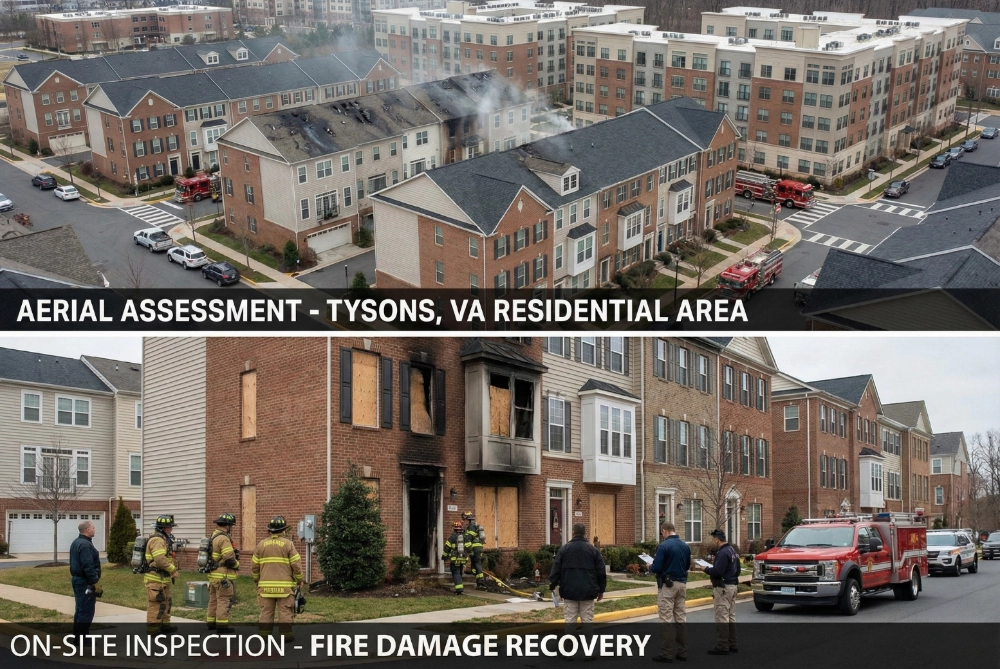
Tysons is known for its modern high-rise condos, townhomes, and luxury single-family properties. While newer construction often includes advanced safety systems, fire damage still occurs due to:
- Electrical failures
- Kitchen accidents
- HVAC malfunctions
- Candle or fireplace misuse
- Lightning or external fires
In many cases, the fire itself is only part of the damage. Smoke infiltration, soot residue, water damage from firefighting efforts, and compromised structural materials can cause long-term issues if not addressed properly.
That’s why insurance claims after fire damage are rarely straightforward—especially in high-value real estate areas like Tysons and Fairfax County.
How Fire Insurance Claims Actually Work
Most homeowner insurance policies cover fire damage, but coverage details matter. Understanding the claims process gives you leverage when negotiating.
Step 1: Initial Claim Filing
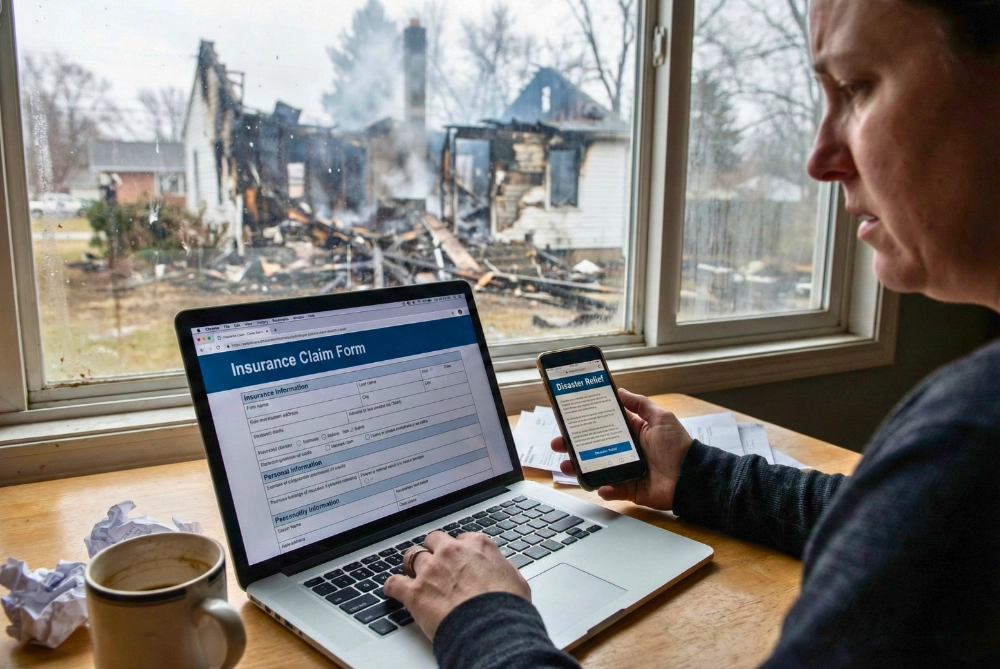
After a fire, homeowners must notify their insurance provider as soon as possible. This triggers:
- Assignment of an insurance adjuster
- Initial documentation review
- A preliminary damage assessment
Important: Early descriptions of damage can influence your entire claim. Underreporting at this stage may limit compensation later.
Step 2: Damage Assessment and Adjuster Inspection
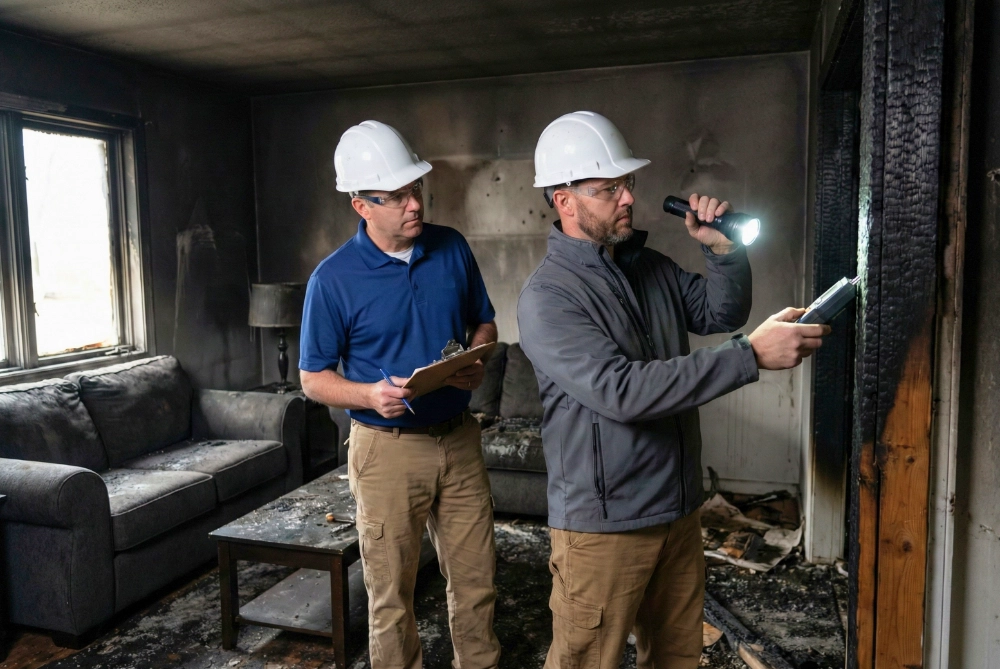
Insurance adjusters evaluate:
- Structural damage
- Smoke and soot contamination
- Water damage from suppression efforts
- Personal property loss
However, adjusters work for the insurance company, not the homeowner. Their goal is often to minimize payout—not maximize the thoroughness of the restoration, which is why you should consider a post-fire home inspection checklist.
At Flood Expert, we frequently see initial estimates that miss hidden damage, especially inside walls, insulation, subfloors, and HVAC systems.
Step 3: Claim Valuation and Settlement Offer

Once the assessment is complete, insurers issue a settlement offer based on:
- Policy limits
- Depreciation
- Replacement cost vs. actual cash value
- Scope of documented damage
This is where negotiation becomes critical.
Common Challenges Homeowners Face With Insurance Claims After Fire Damage
Many homeowners in Tysons and nearby areas encounter the same obstacles:
1. Undervalued Repair Estimates
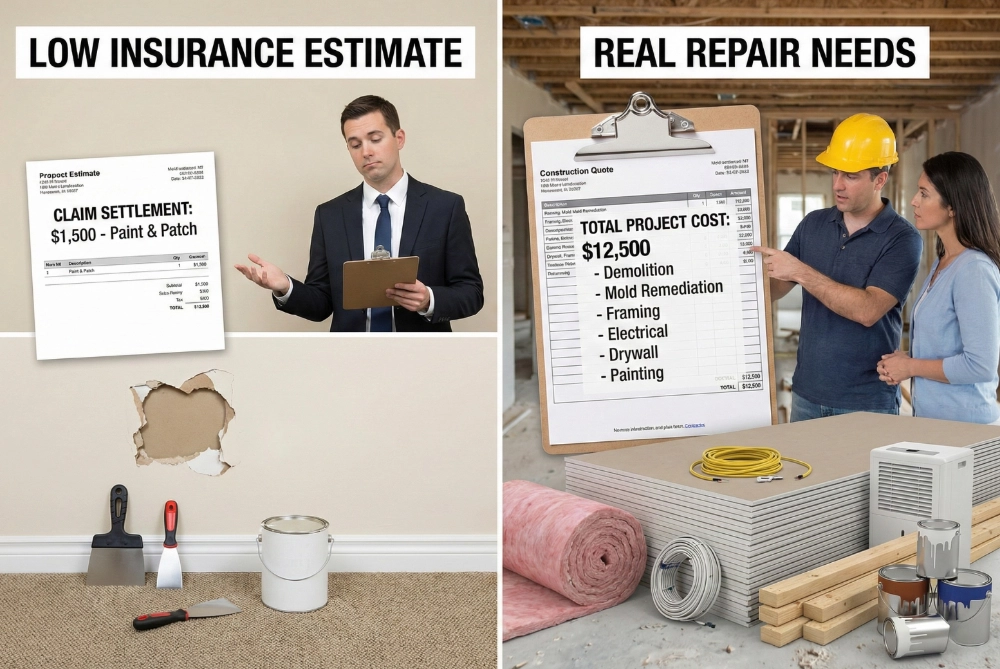
Insurance estimates may not account for:
- Local labor costs
- Code upgrades required in Fairfax County
- Specialized smoke remediation
- Mold prevention after water exposure
Accepting a low estimate can leave homeowners paying out of pocket later.
2. Hidden Damage Is Ignored

Smoke travels aggressively through HVAC systems, wall cavities, and insulation. Even small fires can contaminate an entire home, leaving homeowners searching for the warning signs of smoke damage.
If this damage isn’t documented early, insurers may refuse coverage later.
3. Delays in Claim Processing

Extended delays can lead to:
- Secondary damage
- Increased repair costs
- Temporary housing complications
Knowing when and how to push back matters.
4. Pressure to Use Preferred Contractors

Some insurers encourage homeowners to use “preferred vendors.” While not always problematic, this can limit repair quality or flexibility.
Virginia homeowners are legally allowed to choose their own restoration company.
Why Negotiation Is Essential—Not Optional
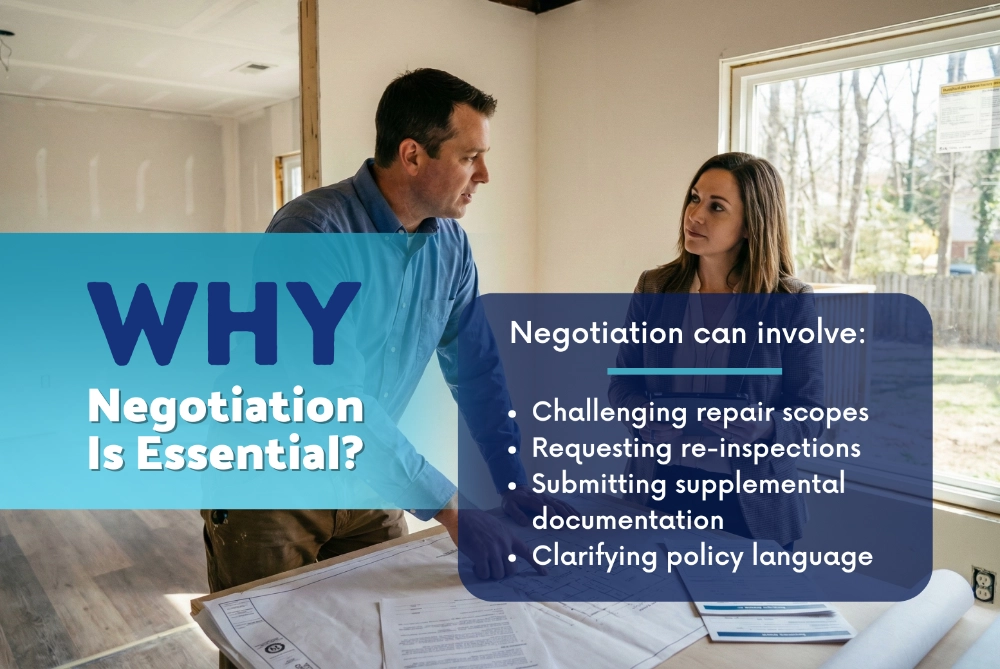
Insurance claims after fire damage are not fixed outcomes. They are negotiable processes.
Negotiation can involve:
- Challenging repair scopes
- Requesting re-inspections
- Submitting supplemental documentation
- Clarifying policy language
At Flood Expert, we work alongside homeowners to ensure the true cost of restoration is properly documented and justified.
Documenting Fire Damage the Right Way
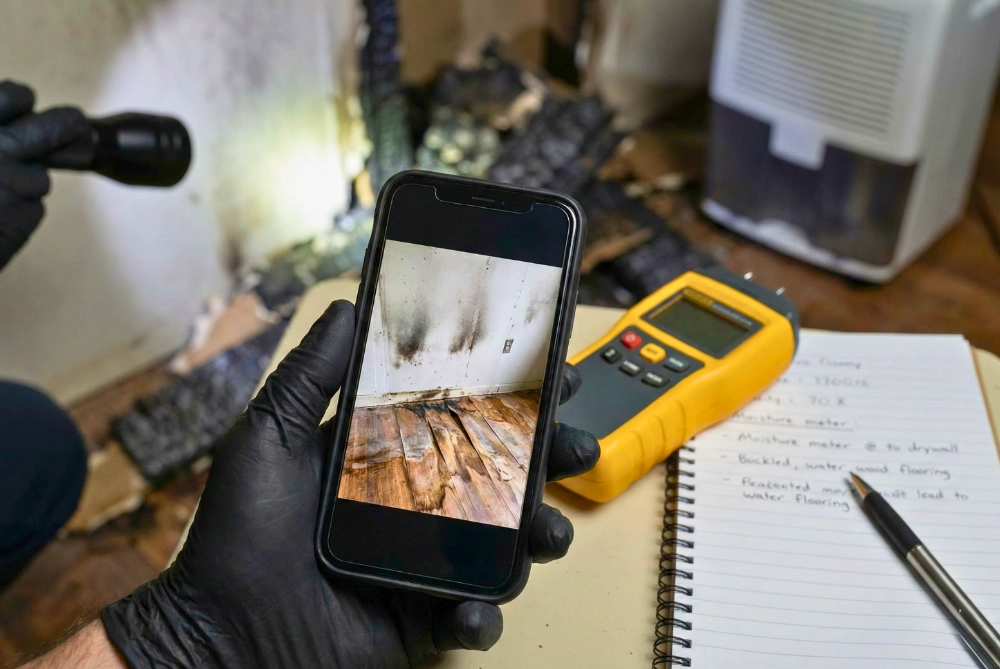
Strong documentation is your best defense.
What Homeowners Should Collect
- Photos and videos from multiple angles
- Inventory lists of damaged belongings
- Receipts for temporary repairs or housing
- Contractor assessments
Professional restoration documentation often carries more weight than homeowner notes alone and helps with smoke odor removal for fresh air.
Why Professional Assessments Matter
Licensed restoration experts understand:
- Structural fire behavior
- Smoke and soot chemistry
- Water-fire interaction damage
- Local building codes
Flood Expert provides detailed damage reports that align with insurer requirements while protecting homeowner interests.
The Role of a Restoration Company in Insurance Negotiations
A restoration company should do more than rebuild—it should advocate.
How Flood Expert Supports Claims

-
- Works directly with insurance adjusters
- Identifies overlooked damage
- Provides line-item repair breakdowns
- Submits supplemental claims when needed
Our goal isn’t to inflate claims—it’s to ensure nothing necessary is excluded.
Fire Damage and Water Damage: A Dual Claim Issue
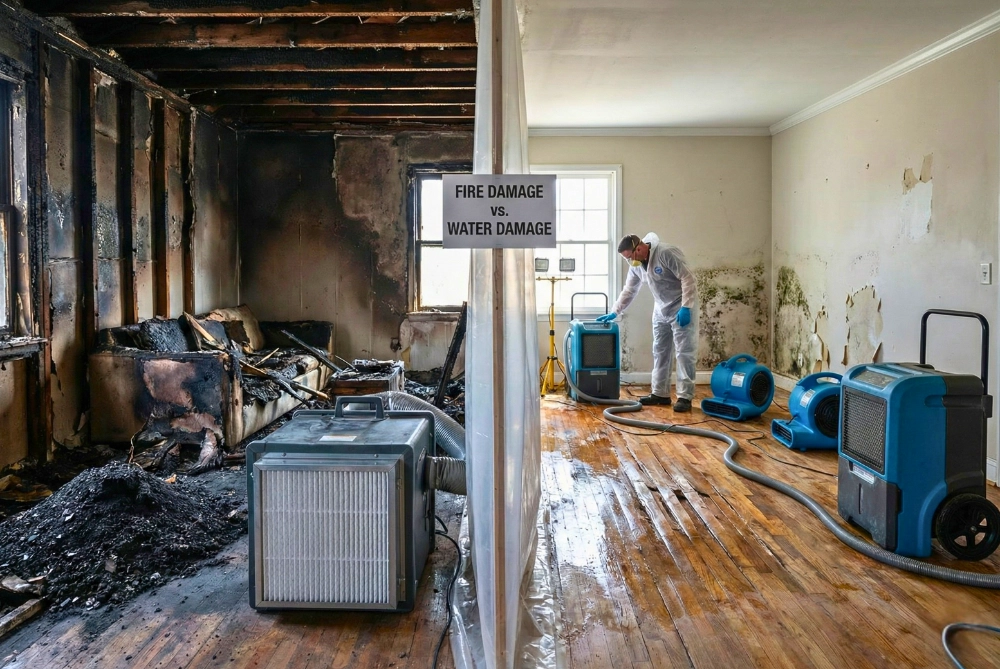
Most fire incidents involve water damage from firefighting efforts. This complicates claims because:
- Multiple coverage categories may apply
- Moisture can lead to mold if untreated
- Structural materials may require removal
Flood Expert specializes in combined fire and water restoration, ensuring both aspects are properly addressed and covered.
Understanding Policy Language Without the Headache
Insurance policies often include confusing terms such as:
- Actual Cash Value (ACV)
- Replacement Cost Value (RCV)
- Depreciation recovery
- Coverage exclusions
Homeowners don’t need to become insurance experts—but they do need someone who understands how these terms impact restoration scope.
When to Request a Supplemental Claim

Supplemental claims are common and legitimate.You may need one if:
- Hidden damage is discovered during repairs
- Local code upgrades are required
- Material costs increase
- Additional safety work becomes necessary
Flood Expert routinely assists homeowners in Tysons and Fairfax with supplemental submissions that insurers approve when properly documented.
Fire Damage in Condos and Townhomes: Special Considerations
Tysons has a high concentration of condos and attached housing.Fire claims in shared structures may involve:
- HOA coordination
- Multiple insurance policies
- Shared walls and systems
- Liability questions
Professional coordination prevents disputes and delays.
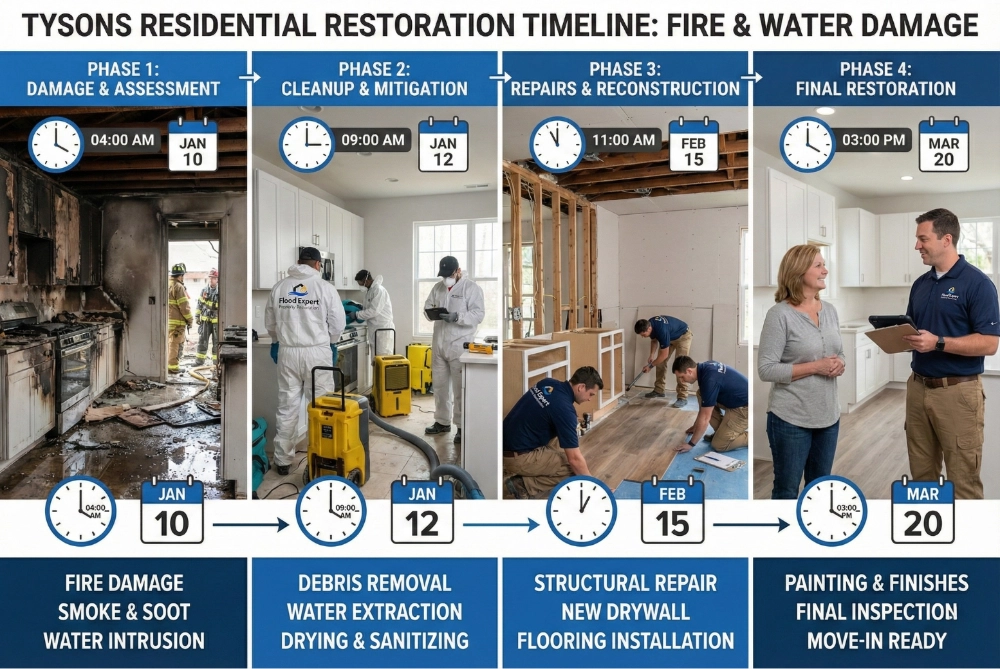
Timelines: What Homeowners Should Expect
-
- While every claim differs, typical timelines include:
- Claim filing: Immediate
- Initial inspection: 1–7 days
- Estimate review: 1–3 weeks
- Negotiation/supplements: Ongoing
- Restoration start: After approval
Delays are common—but they shouldn’t be indefinite.
- While every claim differs, typical timelines include:
Mistakes That Can Cost Homeowners Thousands
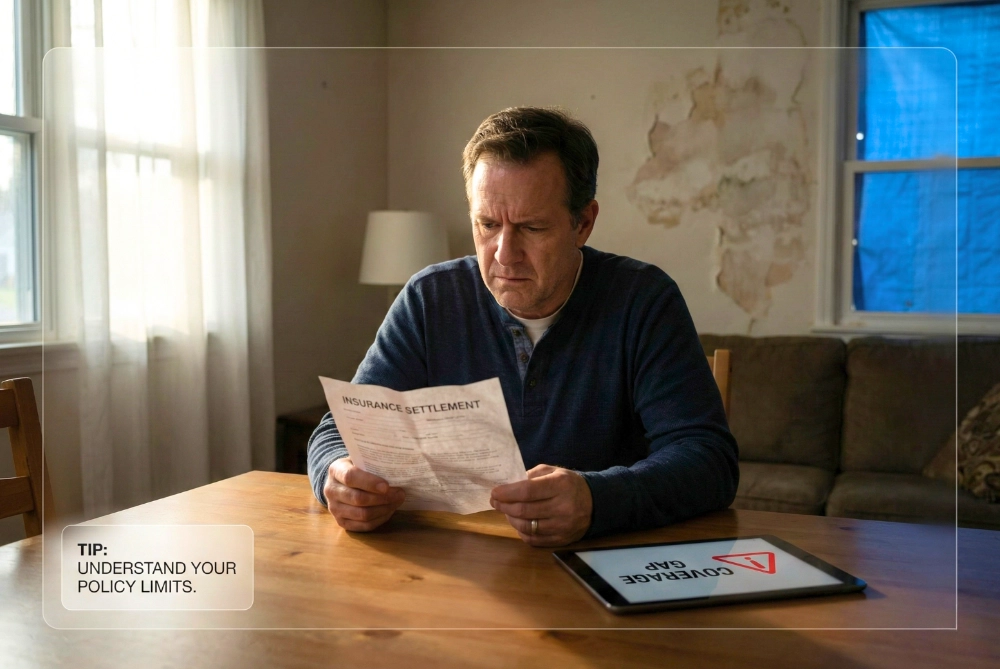
Avoid these common errors:
- Accepting the first settlement offer
- Beginning permanent repairs before approval
- Failing to document smoke damage
- Choosing contractors based solely on insurer recommendation
- Not addressing water damage immediately
These mistakes often lead to denied supplements or out-of-pocket expenses.
Why Local Experience Matters in Tysons and Fairfax
Local restoration companies understand:
- Fairfax County building codes
- Regional material pricing
- Permit requirements
- Common insurer behaviors in Northern Virginia
Flood Expert’s local presence allows us to navigate these variables efficiently.
Restoring More Than Property—Restoring Peace of Mind

Fire damage disrupts families, routines, and livelihoods. The insurance process shouldn’t add to that stress.At Flood Expert, we believe restoration should be:
- Transparent
- Thorough
- Homeowner-focused
We don’t just repair homes—we help families move forward with confidence.
Final Thoughts: Protecting Yourself During Insurance Claims After Fire Damage
Negotiating insurance claims after fire damage is not about confrontation—it’s about clarity, documentation, and advocacy.Homeowners in Tysons, Lorton, Fairfax, and Washington D.C. deserve fair settlements that reflect real restoration needs—not rushed estimates.With the right support, the claims process becomes manageable—and your recovery becomes complete.If you’re facing fire damage and unsure how to proceed, working with a trusted local restoration company with rave reviews can make all the difference.